Foundation Excavation in St. Paul, MN
Foundation excavation is digging the footprint, footing trenches and working room for a new foundation, then grading and hauling off the extra soil. In St. Paul it is scheduled around permits, utility marking and your builder's pour date. Under Minnesota's building rules, the minimum footing depth for frost protection in Ramsey County is 3.5 feet (42 inches), unless an engineer determines otherwise.
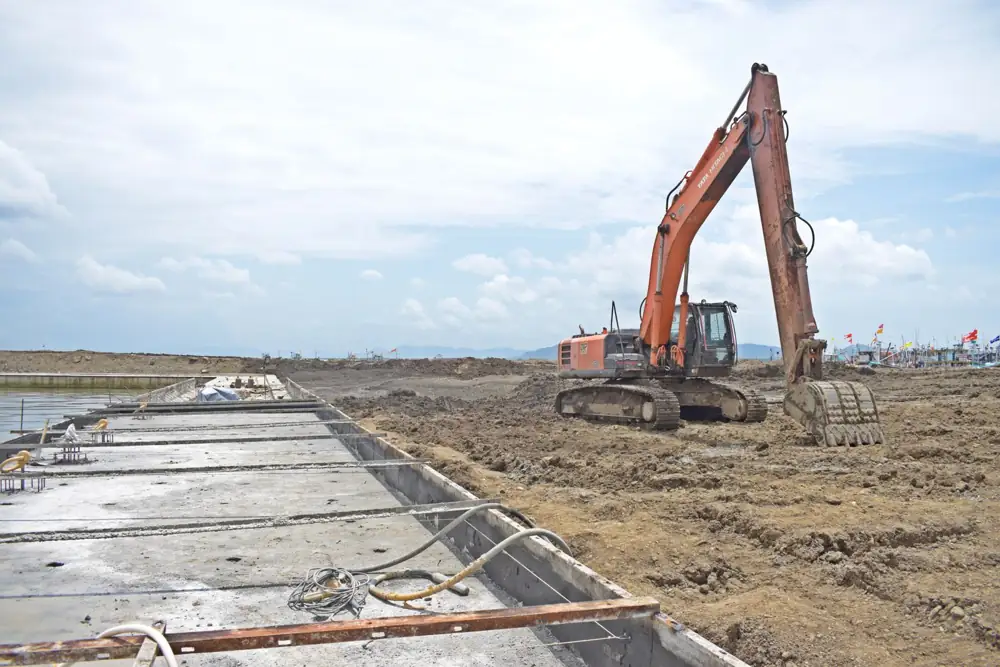
We dig foundations for new homes, additions and garages across St. Paul, from infill lots in Merriam Park and Macalester-Groveland to lots near Lake Phalen. We do not repair foundations.
What foundation excavation includes
- The footprint. The area for the building is dug to the depth your plans call for.
- Footing trenches. Narrow trenches go in below the frost line to hold the footings.
- Working room. Extra space around the walls lets crews form, pour and later backfill.
- Spoil. The dirt either stays on site for backfill and grading or is hauled away.
- Backfill and grading. After the foundation walls are up, soil goes back and the lot is shaped so water runs away from the building.
Your builder, engineer and plans set the exact depths and dimensions. The excavator digs to them.
Typical projects
- A new home, with or without a basement
- An addition that needs new footings
- A detached garage or other accessory building
If you are looking for cracked walls, a wet basement or a leaning foundation, that is repair work. You need a foundation repair specialist, not an excavator.
Get a free quote in 2 minutes
Describe the job, attach photos if you like, and we will send you a written quote.
Or call now: (651) 419-3733What foundation excavation costs
Foundation digging depends on the job. A new-home foundation dig without a basement, about a day and a half of machine time, typically runs $2,600 to $4,600. A new-home basement dig-out, about two and a half days, typically runs $4,300 to $7,600. Additions and detached garages take less time, and the price follows the machine hours. These figures assume normal soil and soil that stays on site. Call now for a free quote: (651) 419-3733.
What moves the price:
- Depth and size. A basement dig moves far more soil than a slab or shallow footing.
- Soil. Rocks, hardpan, buried debris and wet ground add time and sometimes pumping.
- Access. Tight lots and narrow alleys can mean smaller machines and more hand work.
- Where the dirt goes. Soil left on site is cheapest. Hauling typically adds $400 to $600 or more per truckload.
- Surveys, permits and testing. These are separate from the digging.
- Season. Frozen ground can change the schedule and price. Winter work can cost more or less depending on frost depth and how busy we are.
See our St. Paul excavation cost guide for more.
Frost depth and footings
Minnesota sets a minimum footing depth for frost protection in its building rules. In the absence of an engineer's determination, the minimum is 3.5 feet in Zone II, which includes Ramsey County, and 5 feet in the colder Zone I counties up north. An engineer competent in soil mechanics can support a shallower depth with evidence.
Your plans and the city confirm the depth for your project. The excavator digs footings to the depth your builder or engineer specifies, so give them the plans before they quote.
Permits and inspections
The builder usually handles these, but know what applies:
- Building permit. The city's permit sheet says a general building permit is required to construct or enlarge a residence, garage, carport or similar structure. A detached shed over 200 square feet also needs one.
- Who can pull it. The city says permits may go to the homesteader of a one- or two-family property or to a contractor licensed by the City of Saint Paul. A Minnesota state contractor license does not replace a city license. Ask who is pulling yours.
- Grading permit. Grading or filling a property requires a separate grading permit, with an exception for minor garden or landscaping earth work that does not affect drainage. Ask whether your lot work needs one.
- Zoning. Setbacks and lot coverage rules apply to new buildings. The city's zoning staff handle those questions.
- Heritage districts. If your home is in a Heritage Preservation District or Site, exterior work that needs a building permit also needs Heritage Preservation Commission approval.
- Inspections. Ask your builder which inspections are needed before the foundation is poured.
- Work in the street or boulevard. If any digging reaches the public right of way, the city requires an excavation permit. Rules also apply near public trees.
Check with the City of St. Paul's Department of Safety and Inspections at stpaul.gov/dsi for your project.
How the dig is scheduled
- Plans and permits. The builder has the drawings and permits in hand.
- Call 811. Minnesota requires a ticket to Gopher State One Call at least 48 hours before you dig, not counting weekends and holidays. It applies to homeowners too and it is free.
- Layout. The footprint is marked out from the plans.
- Dig. The machine opens the footprint and footing trenches to depth.
- Inspection and pour. Required inspections happen, then the foundation is formed and poured.
- Backfill and grade. Soil goes back around the walls and the lot is shaped to drain.
The excavator and the builder need to agree on dates early. The dig should happen close to the pour, so an open hole does not sit through rain or a freeze.
Get a free quote in 2 minutes
Describe the job, attach photos if you like, and we will send you a written quote.
Or call now: (651) 419-3733St. Paul site realities
- Older neighborhoods. In areas like Dayton's Bluff, Summit Hill and the West Side, tight lots, alleys and neighboring buildings limit machine size and where spoil can sit.
- Boulevards and trees. The city has rules for digging near public trees, including limits on pit size and a requirement to contact Forestry if large roots are hit.
- Conditions vary. The ground changes a lot across St. Paul, from the Mississippi River bluffs to flat upland lots in Highland Park and beyond, and some areas have wet soils. The site visit and your soil information matter.
- Utilities. Buried lines are more likely to surprise you near older streets. That is another reason the 811 call comes first.
How to compare foundation excavation quotes
- Does the price include the footprint, footing trenches and working room?
- Is the dirt hauled away or left on site, and who pays for trucking?
- What happens if the crew hits rock, hardpan or water?
- Who handles the 811 call and the layout?
- Is backfill and rough grading included?
- How are delays handled if the weather or inspection pushes the pour?
- Is the quote hourly or flat, and what triggers extras?
Frequently asked questions
How deep does foundation excavation go?
It depends on the design. Your builder or engineer sets the depth. Under Minnesota's rules, the minimum footing depth for frost protection in Ramsey County is 3.5 feet unless an engineer determines otherwise. A basement is much deeper.
Who pulls the permit, me or the excavator?
The building permit is usually the builder's job. The city says it may be issued to the homesteader of a one- or two-family property or to a contractor licensed by the City of Saint Paul. Ask who will pull it and get that in writing.
How much extra for rock or clay?
It depends on how much there is and how deep it goes. Rock, hardpan and wet ground add time, equipment and sometimes pumping, so they raise the price. We tell you what the quote assumes about soil and what happens if conditions are worse.
Do you also repair foundations?
No. This page covers digging for new foundations. For cracked walls or a wet basement, hire a foundation repair specialist.
How long does the dig take?
A new-home foundation without a basement usually takes about a day and a half of machine time, and a basement dig-out about two and a half days. Your builder's schedule and the weather affect the real timing, and it depends on the job. We give you a schedule when we discuss it.
Do I need to call 811 before the dig?
Yes. It is the law in Minnesota, it is free, and it applies to homeowners. Call at least 48 hours before the dig, not counting weekends and holidays, and your excavator should confirm it is done.
Ready to get started?
Call now for a free quote, or send the form with a description and photos.
Call now: (651) 419-3733